01
Analysis
We examine the business model, technological foundations, market conditions, and relevant political and public interests.
Dirk Kartes & Laura Finzi
We examine the conditions in which emerging energy transition companies operate. Together, we develop the foundations for their strategic direction and for political and public acceptance.
Context
Energy transition companies operate at the intersection of technical requirements, economic interests, and political decisions. Costs, responsibilities, local interests, and uncertainty affect implementation. We examine these relationships rather than treating acceptance as a communication problem alone.
Geothermal energy · Battery storage · Battery intelligence · Waste heat · Energy management · Grid infrastructure
Company architecture connects strategy, organization, and relationships with the wider environment. We analyze interactions between technology, markets, politics, and society. Communication is part of this work: it makes decisions and their underlying reasoning understandable.
Our work
01
We examine the business model, technological foundations, market conditions, and relevant political and public interests.
02
We organize strategy, structures, responsibilities, and collaboration, examining how the different parts of the company work together.
03
We examine the interests, objections, and decision criteria of customers, municipalities, and other stakeholders. Conflicting objectives and open questions remain explicit.
04
We structure findings for strategic decisions, workshops, and discussions with stakeholders. Communication follows analysis, not the other way around.
A possible starting point
Where does your company stand - and what conditions shape its development?
We examine strategic direction, the business model, organization, and relationships with the wider environment. Existing documents and conversations with stakeholders provide the basis. We use these to identify open questions, dependencies, and areas requiring attention.
01
Establish the current situation, objectives, and stakeholder perspectives.
02
Review assumptions, structures, and external conditions in context.
03
Jointly prioritize areas for action and upcoming decisions.
Project context
Our work for Geothermie Unterhaching and Geothermie Kompetenz (GK+) addresses the use of geothermal potential and the conditions for implementation. The following topics and planned initiatives provide context for this work.
A topic from our geothermal work
The gap between Germany's geothermal potential and its actual use of geothermal energy. A topic that makes the distance between technical possibility and real-world implementation visible.
Planned initiative
A forum for discussing the future of heat, focused on practical experience and implementation questions.
Planned membership alliance
A paid network for professional exchange between people working on concrete solutions.
The people behind GREEN SUPPORT
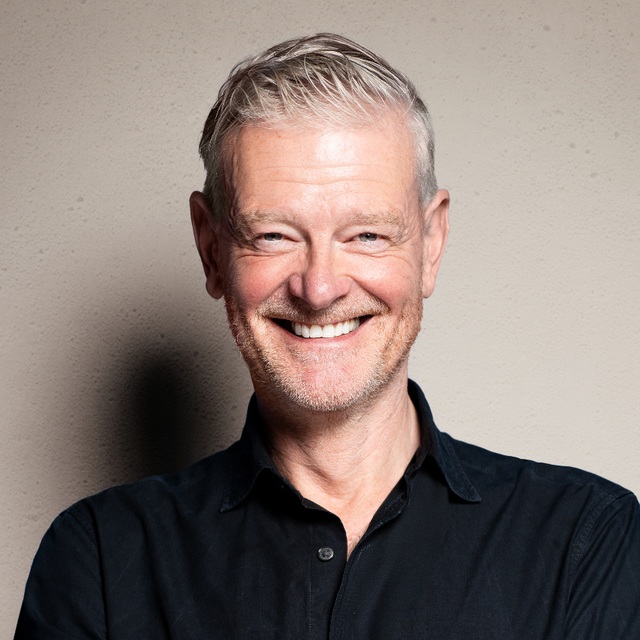
Company Architect, Analyst & Strategic Advisor
Dirk analyzes companies and their economic, organizational, and societal context. As a company architect and strategic advisor, he works on aligning strategy, structures, and decisions.
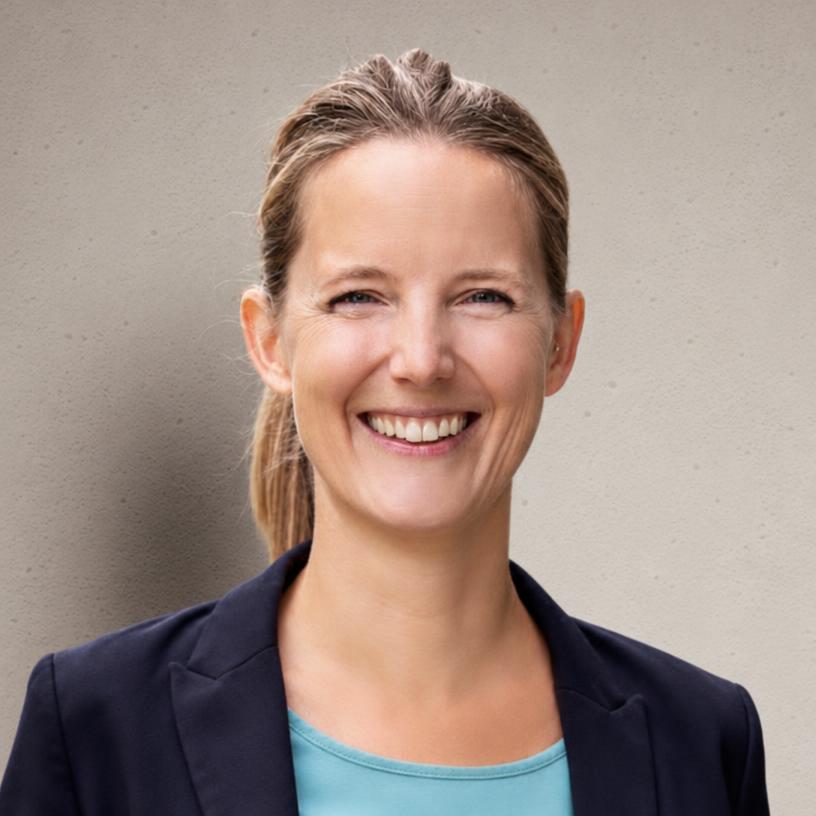
First Point of Contact & Project Lead
Laura is your first point of contact for GREEN SUPPORT. She coordinates the project, connects everyone involved, and supports the collaboration from your first conversation onward.
09/2007 - 09/2008
Master International Conflict Studies
King’s College, London, United Kingdom
Grade: 74% (equivalent to 1.0 in the German grading system)
09/2004 - 07/2007
Bachelor International Relations and Development Studies
University of Sussex, Brighton, United Kingdom
Grade: 68% (equivalent to 1.3 in the German grading system)
Master’s thesis with distinction on the causes of the genocide in Rwanda. Training in diplomacy.
Our first conversation focuses on your company, its operating conditions, and the questions you would like to examine with us.